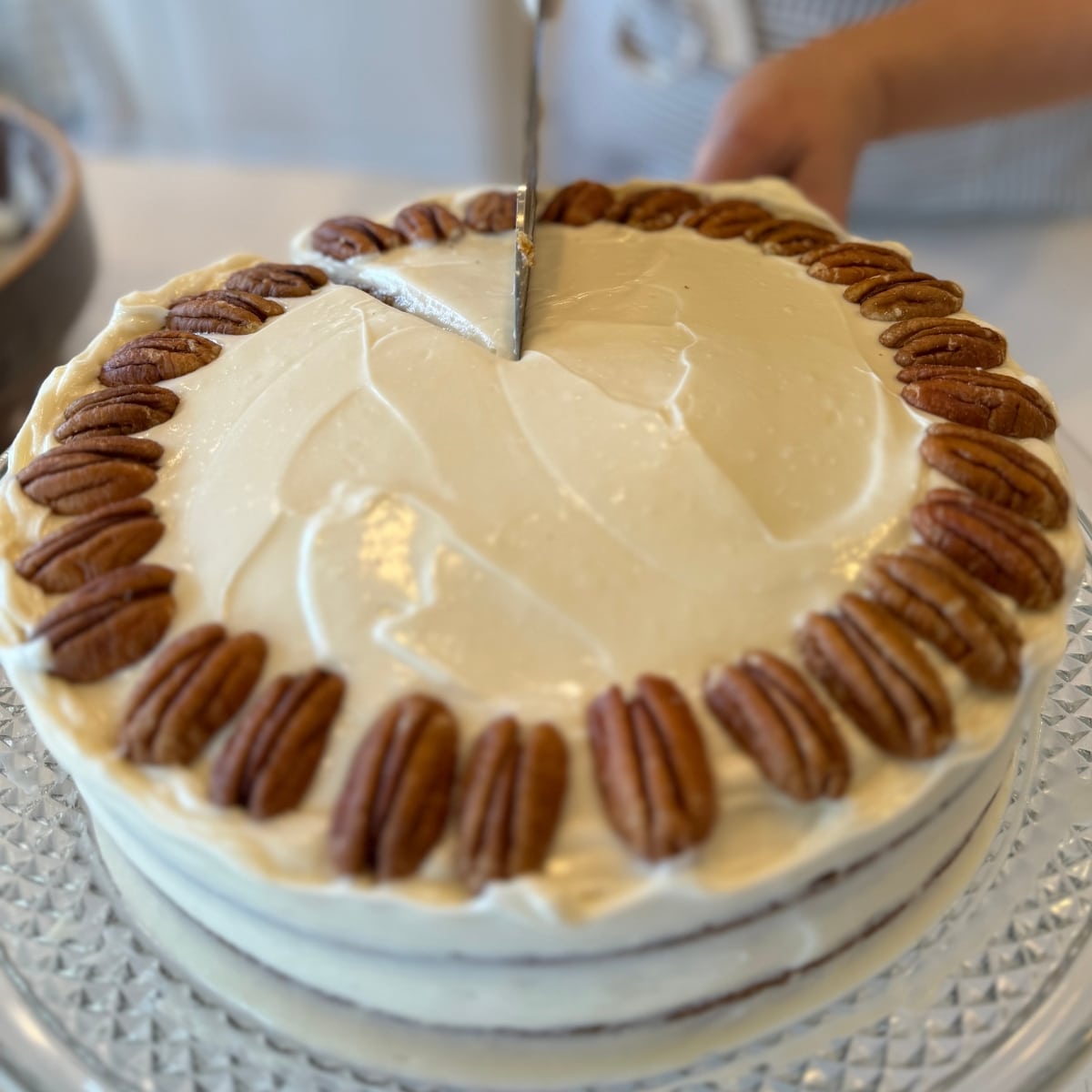
Master Cream Cheese Frosting: Your Ultimate Guide to a Perfect Dessert Topping
Every seasoned baker has a few secret weapons in their arsenal, and without a doubt, a reliable recipe for
cream cheese frosting sits high on that list. This iconic topping isn't just a beloved classic; it's a versatile, flavor-packed addition that elevates countless desserts from simple to sublime. Whether you're a novice in the kitchen or a baking enthusiast, mastering the art of cream cheese frosting is a skill that will pay dividends in deliciousness.
At its core, cream cheese frosting is a celebration of balance – rich and creamy, yet wonderfully brightened by that signature tangy note from the cream cheese. It’s this unique flavor profile that prevents it from being overly sweet, making it the perfect partner for everything from carrot cake to red velvet cupcakes, brownies, and even cinnamon rolls. It's the kind of frosting that tastes like you’ve put in significant effort, even when it comes together in mere minutes.
What Makes Cream Cheese Frosting So Irresistible?
The allure of cream cheese frosting stems from a combination of its distinctive taste and delightful texture. Understanding these elements is key to appreciating why it’s a staple for so many bakers.
- A Harmonious Flavor Profile: Unlike many frostings that lean heavily into sweetness, cream cheese frosting offers a sophisticated interplay of flavors. The richness of butter and powdered sugar is beautifully cut by the piquant tang of cream cheese. This creates a balanced, nuanced taste that complements a wide array of baked goods without overpowering them. It’s sweet enough to feel like a treat, but that subtle sour note keeps it fresh and exciting.
- Luxurious Texture: Imagine a frosting that's simultaneously smooth, creamy, and substantial. That's the hallmark of well-made cream cheese frosting. It possesses a denser, silkier texture than traditional buttercream, allowing it to hold its shape beautifully for piping yet remaining soft and spreadable. This velvety consistency melts deliciously in your mouth, leaving a lingering, satisfying sweetness.
- Unmatched Versatility: While often associated with carrot cake and red velvet, the truth is, cream cheese frosting is a culinary chameleon. Its balanced flavor pairs wonderfully with:
- Cakes: Beyond the classics, try it on banana cake, pumpkin cake, lemon cake, or even a simple vanilla or chocolate cake.
- Cupcakes: Transform any cupcake into a gourmet delight.
- Bars & Brownies: A thick layer over fudgy brownies or blondies is pure decadence.
- Cookies: Sandwich it between ginger snaps or spread it over sugar cookies.
- Breakfast Pastries: The absolute best topping for cinnamon rolls, coffee cakes, or even quick breads like zucchini or banana bread.
- Fruit Dips: Whip it with a little heavy cream for a quick and decadent fruit dip.
It’s the ideal finishing touch when you want something special without overthinking things.
Cream Cheese Frosting vs. Buttercream: A Tale of Two Frostings
If you’re new to baking, you might wonder about the difference between classic buttercream and cream cheese frosting. Both are delicious, but they offer distinct experiences. To dive deeper into their unique characteristics, you might find our article
Cream Cheese Frosting vs. Buttercream: The Key Differences for Bakers incredibly helpful.
Here’s a quick breakdown:
- Buttercream: Typically made from butter, powdered sugar, milk or cream, and vanilla extract, whipped until light and fluffy. It's airy, very sweet, and can be piped into intricate designs. Its flavor is primarily that of sweet butter and vanilla.
- Cream Cheese Frosting: Adds cream cheese to the mix, alongside butter, powdered sugar, and vanilla. This addition completely transforms the frosting. It results in a richer, slightly denser texture and, crucially, introduces that wonderful tang that cuts through the sweetness. While it can be piped beautifully, it's generally not as stiff or airy as a classic American buttercream, making it uniquely suited for a smoother, creamier finish.
Choosing between them often comes down to personal preference and the dessert you’re pairing it with. For intensely sweet cakes, the tang of cream cheese frosting provides a welcome counterpoint.
Mastering the Basics: Key Ingredients for Perfect Cream Cheese Frosting
Creating perfect cream cheese frosting doesn't require a long list of exotic ingredients. In fact, it's often made with just four staples you likely already have on hand. The secret lies in the quality of these ingredients and how you handle them.
- Full-Fat Block Cream Cheese: This is non-negotiable. Always opt for full-fat, block-style cream cheese, not the spreadable cream cheese sold in tubs. The block variety has less water content, ensuring a thicker, more stable frosting that holds its shape. While some recipes suggest cold cream cheese for initial whipping, others advocate for softened. For the smoothest, quickest frosting, letting your cream cheese soften slightly at room temperature (around 15-20 minutes out of the fridge) ensures it will cream beautifully with the butter without lumps. Avoid overly warm or melted cream cheese, which can lead to a runny frosting.
- Unsalted Butter: Softened to room temperature. Like the cream cheese, the butter's temperature is critical. Softened butter creams easily with the sugar, creating a light, airy base. Using unsalted butter gives you control over the overall saltiness of your frosting.
- Powdered Sugar (Confectioners' Sugar): This provides sweetness and thickens the frosting. For an extra silky-smooth finish, you can sift your powdered sugar, though for most home bakers, direct addition works fine.
- Vanilla Extract: A good quality vanilla extract makes a significant difference. It enhances all the other flavors, adding a warm, aromatic depth.
- Optional Add-ins: A pinch of salt can help balance the sweetness, and a tablespoon or two of milk or cream can adjust the consistency if your frosting is too thick.
Tips for Flawless Cream Cheese Frosting Every Time
Achieving that perfect, smooth, and tangy cream cheese frosting is simpler than you might think, especially with a few insider tips. For a comprehensive, step-by-step guide to whipping up this delicious topping in no time, be sure to check out our article:
Easy Cream Cheese Frosting: Make a Fluffy, Tangy Topping in Minutes.
- Mind the Temperature: This is arguably the most crucial tip. Start with softened, but not melted, butter and *slightly* softened cream cheese. If either is too cold, you'll get lumps. If either is too warm, your frosting will be runny. Aim for soft enough to leave an indentation when gently pressed.
- Cream Butter and Cream Cheese First: In your stand mixer (or with a hand mixer), beat the softened butter until creamy and light. Then add the slightly softened cream cheese and beat until just combined and smooth. Do not overmix the cream cheese at this stage, as it can break down and become thin.
- Gradually Add Powdered Sugar: Add the powdered sugar in stages, mixing on low speed initially to avoid a "sugar snowstorm" in your kitchen. Once incorporated, increase the speed and beat until light and fluffy.
- Don't Overmix: Once the powdered sugar is incorporated and the frosting is smooth and fluffy, stop mixing. Overmixing can incorporate too much air or, worse, break down the cream cheese, making your frosting thin and less stable.
- Adjust Consistency: If your frosting is too thick, add a tablespoon of milk or cream at a time until it reaches your desired consistency. If it's too thin, you can try adding a bit more powdered sugar, or chill it in the refrigerator for 20-30 minutes to firm it up.
- Scrape the Bowl: Periodically scrape down the sides and bottom of your mixing bowl to ensure all ingredients are fully incorporated and there are no hidden lumps.
Storage and Food Safety: The Cream Cheese Frosting Rule
Given its main ingredient, understanding how to store cream cheese frosting is vital for food safety and maintaining its delicious texture.
Yes, you absolutely need to refrigerate cakes and other desserts frosted with cream cheese frosting. Cream cheese is a perishable dairy product, and leaving it out at room temperature for extended periods can encourage bacterial growth.
Once your cake or dessert is frosted, it should be placed in the refrigerator if it won’t be consumed within a couple of hours. Store any leftover frosting in an airtight container in the fridge for up to 3-5 days. When you’re ready to use it, let it sit at room temperature for about 15-30 minutes to soften slightly, then give it a quick whisk to restore its smooth consistency before spreading or piping.
Beyond the Basics: Customizing Your Cream Cheese Frosting
While classic vanilla cream cheese frosting is undeniably delicious, don’t hesitate to get creative and customize it to suit your dessert:
- Citrus Zest: Add lemon, orange, or lime zest for a bright, tangy kick.
- Spices: Incorporate cinnamon, nutmeg, pumpkin pie spice, or ginger for autumnal treats.
- Chocolate: Melted and cooled chocolate (white, milk, or dark) can be folded in for a rich chocolate cream cheese frosting.
- Coffee: A teaspoon of instant espresso powder dissolved in a tiny bit of hot water adds depth, especially for chocolate desserts.
- Other Extracts: Almond, peppermint, or even a touch of rum extract can introduce exciting new flavor dimensions.
- Coloring: Gel food coloring works best for vibrant hues without affecting consistency.
With these tips and insights, you're well on your way to mastering the art of cream cheese frosting. It’s a versatile, flavorful, and surprisingly easy topping that promises to elevate your baking and delight anyone lucky enough to take a bite. So go ahead, grab your ingredients, and get ready to create some truly irresistible desserts!